
Alignment Planning
Support for corridor edges, transitions, and risk-prone roadside conditions.
Service Detail
Roadside protection systems for highways, bridge approaches, embankments, and corridor zones where containment, guidance, and durable installation quality matter.
Overview
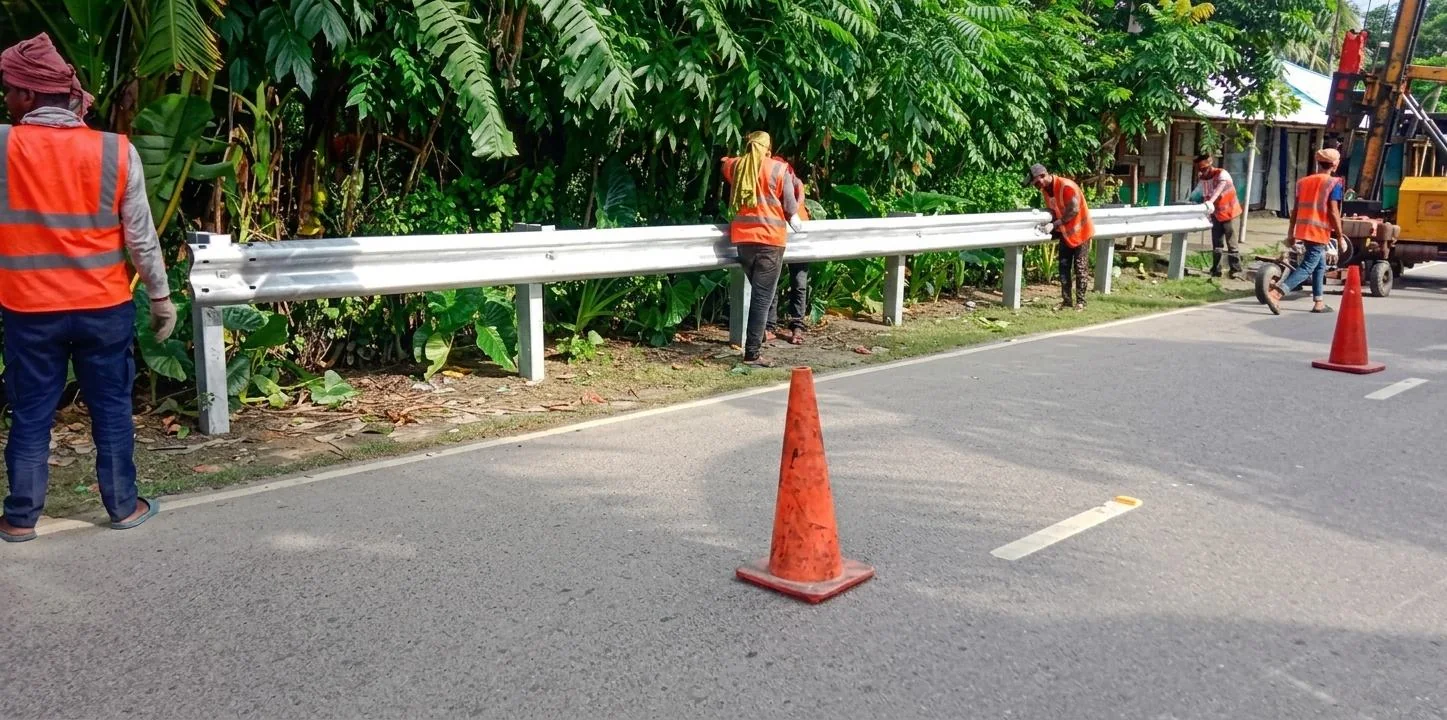
FTSL supports guard rail planning, supply coordination, and installation supervision for highways, bridges, and high-risk corridors.
Support Areas
Planning, coordination, supervision, and quality control for field-ready delivery.
Support for corridor edges, transitions, and risk-prone roadside conditions.
Selection guidance based on roadway geometry, structure context, and field use.
Practical site review during installation, fastening, and structural finishing.
Attention to durability, placement quality, and long-term roadside performance.
Applications
These systems are suited to high-risk transport environments where containment, guidance, and reliable impact response are needed.
Roadside protection systems for long corridor networks with frequent high-speed movement.
Containment support for transition zones where structure edges need controlled protection.
Barrier placement for turning sections and routes that require stronger roadside guidance.
Safety treatment for embankments and edges where vehicle departure risks are higher.
Protection systems integrated into city transport corridors and public works upgrades.
Guard rail scope for major safety improvement programs and development works.
Our Services
FTSL supports guard rail delivery through layout planning, compliance review, installation supervision, and hardware coordination.
Service Visuals
These visuals show roadside barrier systems, bridge-edge transitions, installed protection rails, and hardware-related details relevant to guard rail delivery.
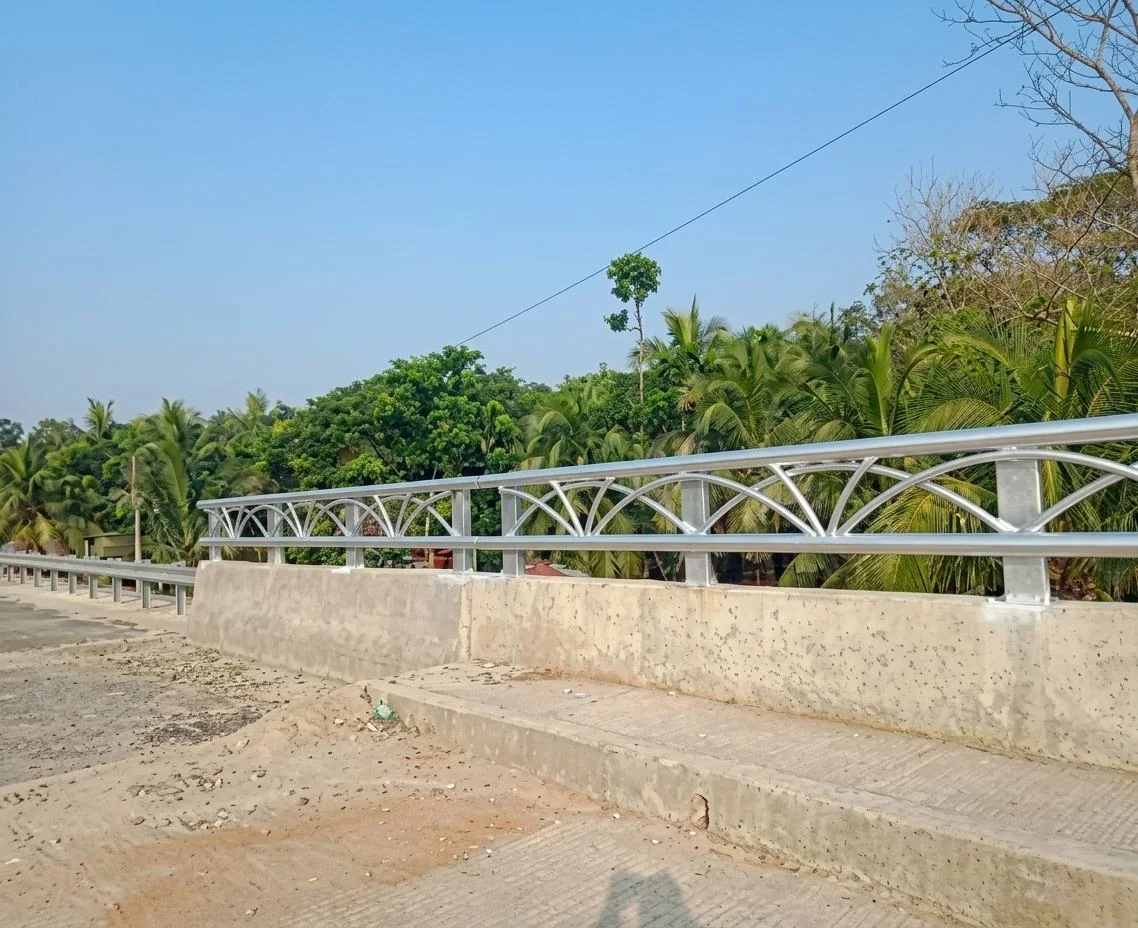
Barrier support for elevated roadway safety and edge control.
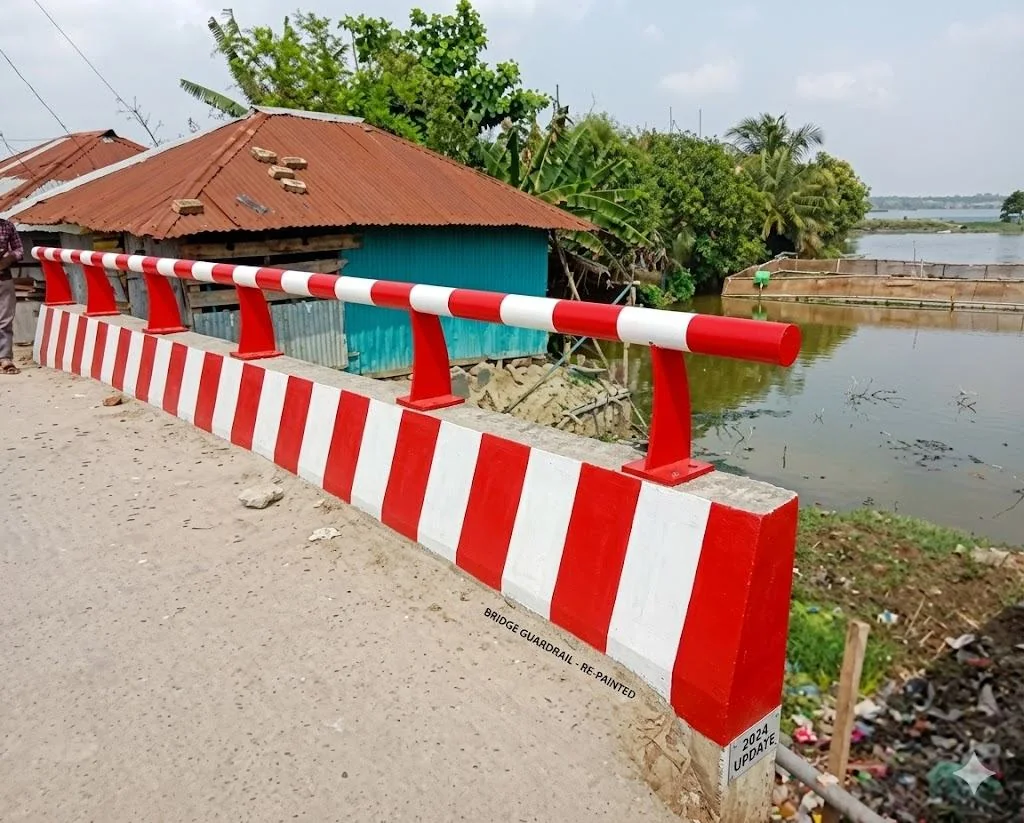
Installed guard rail alignment alongside a transport corridor.
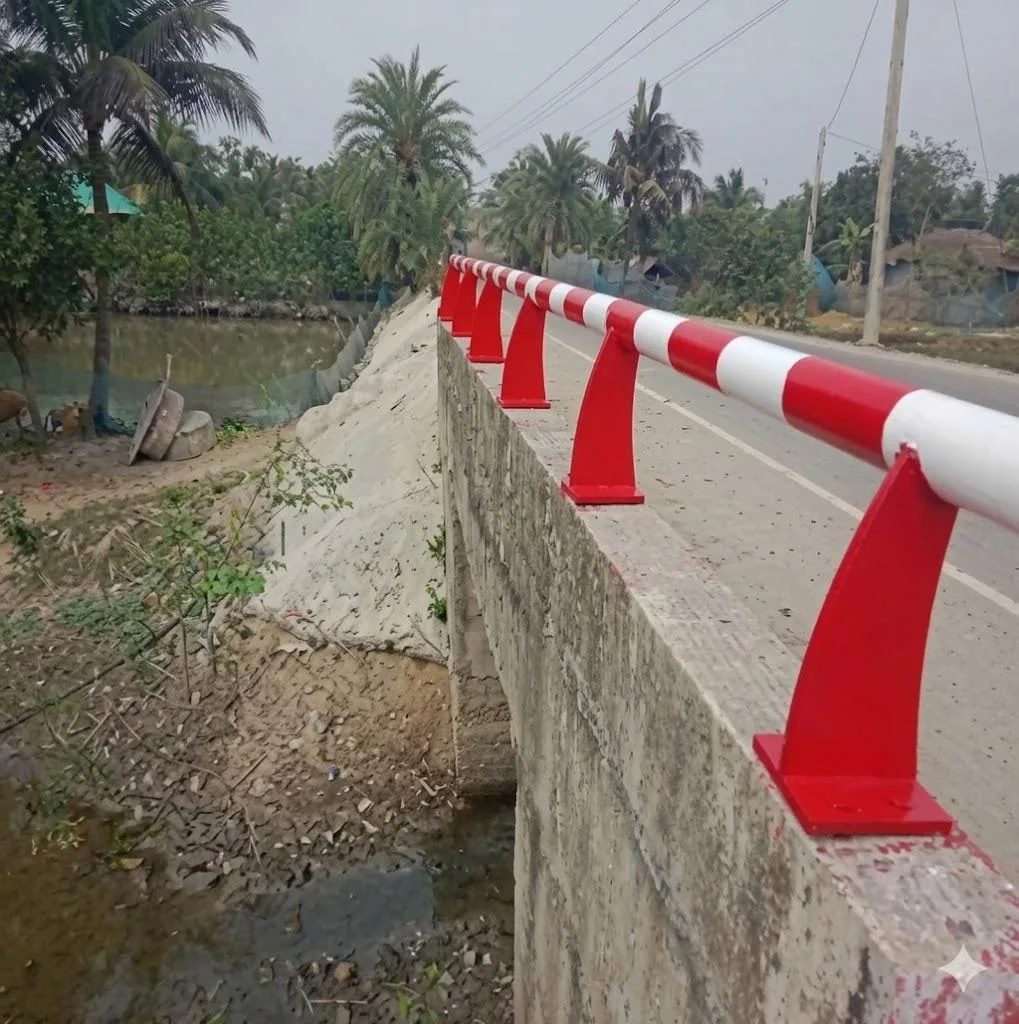
Roadside protection treatment in a public-use environment.
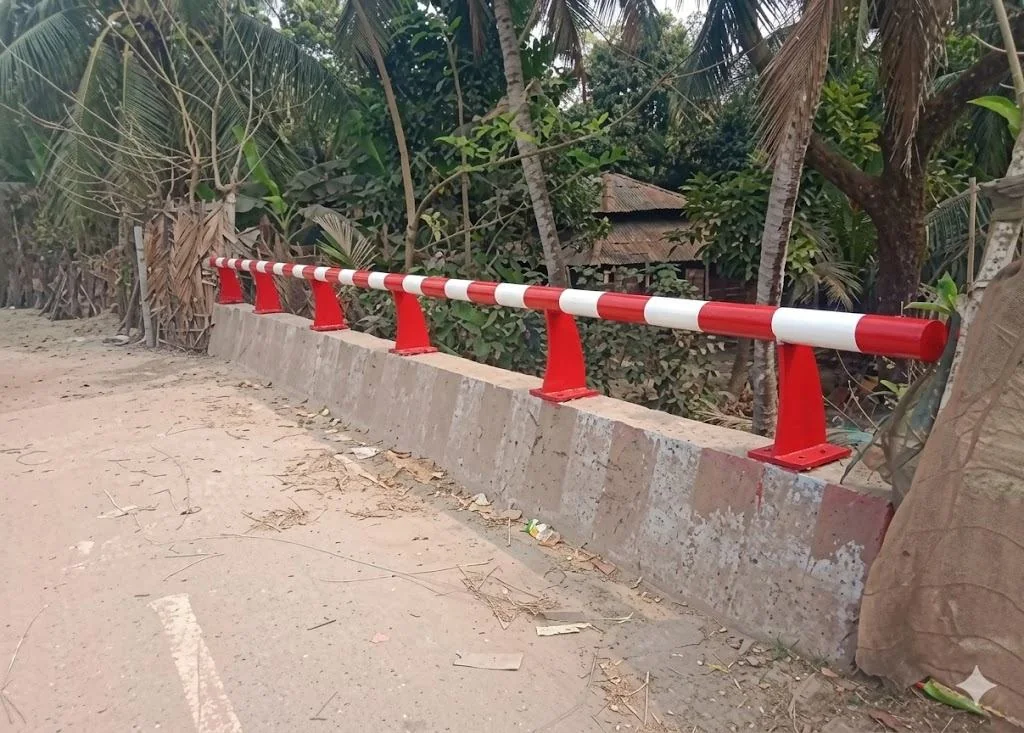
Continuous edge protection for corridor safety performance.
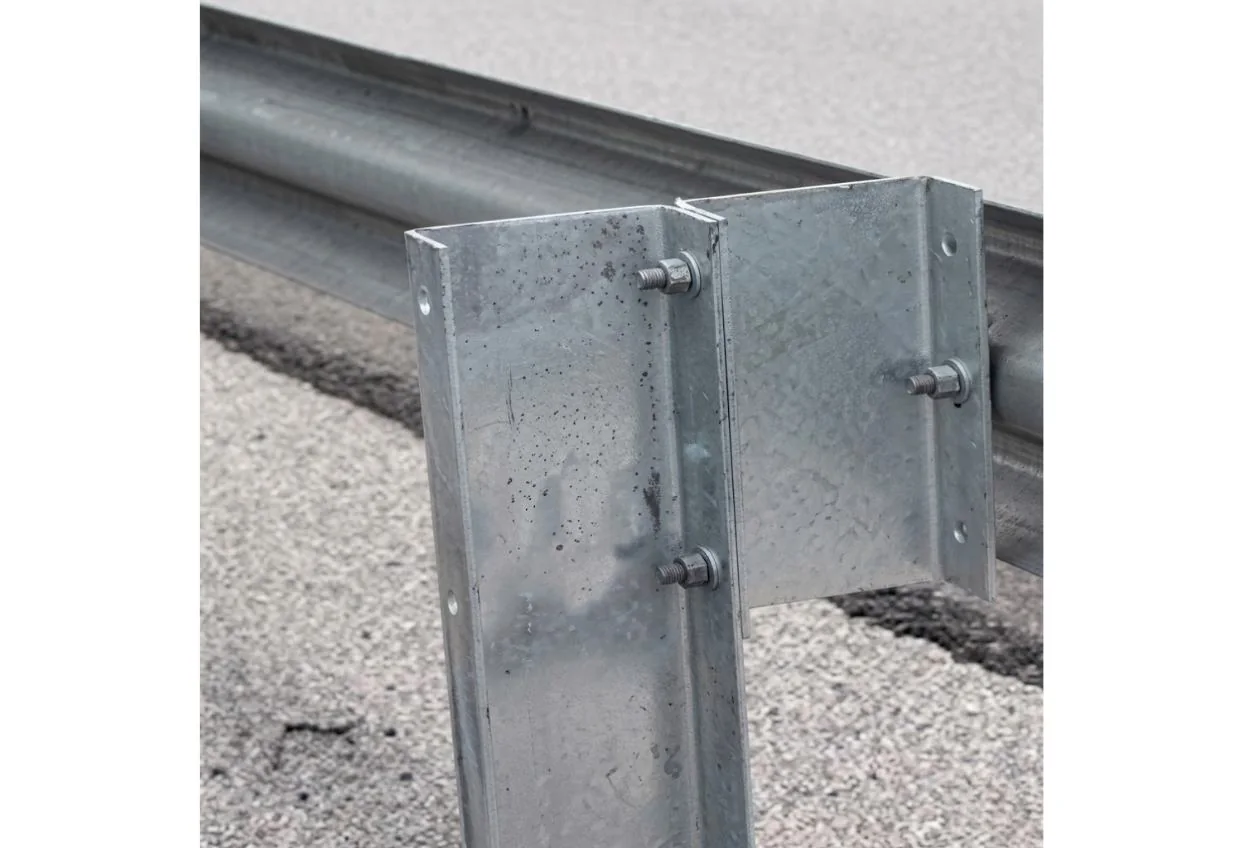
Hardware reference for fastening and guard rail system assembly.
On-site barrier environment related to corridor protection works.
Our Commitment
Guard rail systems designed for dependable roadside protection and long-term durability.
Project planning
A W-Beam guardrail uses a corrugated steel rail mounted on posts to form a roadside safety barrier. Typical assemblies include rail sections, posts, spacers or blockouts, fasteners, and project-specific end terminals and transitions. The selected system and component compatibility must follow the project design.
Include inspection access and future replacement needs in the scope. After damage is identified, have the responsible project team assess rails, posts, connections and terminals against the selected system requirements. FTSL’s existing service scope includes inspection and maintenance guidance.
Useful information
A few details to help you plan your next step.
Have another question? Get in touchIt is a roadside barrier using a corrugated steel rail on posts. System selection, placement and transitions depend on the road design and site conditions.
Typical applications include highway roadsides, embankments and bridge approaches where the project design calls for vehicle restraint.
Yes. FTSL’s published scope includes supply of guardrail components and hardware, alongside planning and supply coordination. Confirm the required system and quantities when requesting a quotation.
FTSL provides installation supervision and project management support. Confirm the division of supply, site installation and supervision responsibilities for your project.
Provide the road location, alignment drawings, required lengths, proposed barrier system, terminal and transition details, bill of quantities, site photos and programme. Identify whether you need component supply, engineering review or installation supervision.
Typical components include W-Beam rail sections, posts, spacers or blockouts, fasteners, end terminals and transitions. The exact bill of materials depends on the selected system and project design.